
Get Support
02 9822 0155
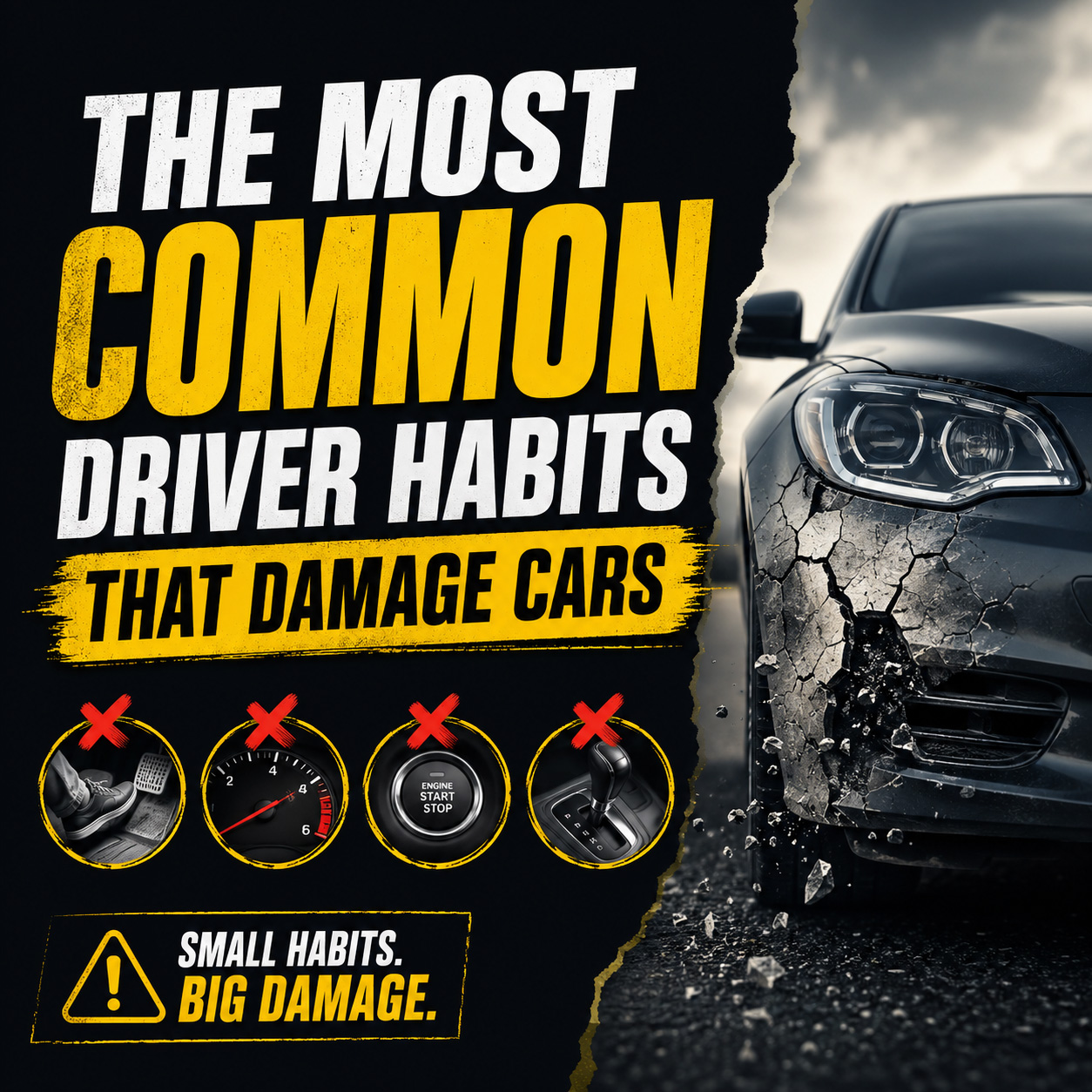
Most people don’t damage their cars intentionally. It is a gradual process by a series of small habits that one acquires unintentionally throughout the years of driving. However, these habits such as riding the clutch too long, running the tank empty quite frequently, may not even feel like a big deal at the moment. Nevertheless, mechanics witness the outcomes of these habits on a daily basis, and the repair bills often reveal a completely different story from what’s expected by the driver.
Here is a list of the habits that silently wear out a car’s health and why they affect the car much more than most people think.
Riding the Brakes Downhill
A lot of drivers ease down long hills with steady, constant pressure on the brake pedal instead of tapping it in short bursts. It feels smoother, sure, but it’s one of the fastest ways to overheat brake pads and rotors. Once brakes get too hot, they lose stopping power temporarily (a scary experience if you’ve never had it happen) and the pads wear down far quicker than they should. The better approach is to downshift a gear or two and let engine braking do some of the work, saving the brakes for when you actually need to slow down fast.
Ignoring Warning Lights
The dashboard lights up, and the instinct for a lot of drivers is to just… keep driving. Especially if the car still feels fine. That check engine light might be something minor, or it might be an oxygen sensor issue that’s slowly costing you fuel economy and dumping extra strain on the catalytic converter. Small problems left unchecked for months tend to snowball into expensive ones. A car that’s been ignoring its engine light for a year rarely arrives at the shop with just one thing wrong.
Short Trips, All the Time
Cars that mostly do the school run, the quick grocery trip, or the five-minute drive to work never really get the chance to warm up properly. The engine oil doesn’t reach full operating temperature, condensation builds up inside the engine, and over time this leads to sludge buildup and faster wear on internal components. It’s one of those habits that’s basically unavoidable for some people, but if most of your driving is short hops, it’s worth taking the car for a proper 20-30 minute drive every so often just to let everything run hot and burn off moisture.
Resting a Hand on the Gear Shifter
This one is pretty tricky because it seems totally innocent. When you rest your palm on the shifter while driving an automatic, you are constantly, though gently, pressing the transmission internal linkage. Such minor and low pressure would not lead to a sudden or major failure but it’s definitely capable of causing premature wear to the selector components gradually over time.
The manual gear drivers also do something similar by putting a hand on the gear stick which passes the vibration and pressure of the hand onto the selector fork bushings. Such a tiny habit can have quite serious consequences after quite some time.
Running the Tank Close to Empty
Some drivers treat the fuel gauge like a challenge, waiting until the light comes on before they even think about a fuel station. The problem is that fuel actually helps keep the fuel pump cool, since it’s usually submerged in the tank. Running consistently low means the pump runs hotter and dryer than it’s designed for, shortening its lifespan. Fuel pumps aren’t cheap to replace, and this is one of the easiest habits to fix. Keeping the tank at least a quarter full most of the time makes a real difference.
Riding the Clutch
Manual drivers who “ride” the clutch (keeping it slightly pressed instead of fully engaged or disengaged) put unnecessary wear on the clutch plate and release bearing. It happens a lot in stop-start traffic when people rest their foot on the pedal instead of putting the car in neutral. Over time this leads to a clutch that slips or needs replacing well before it should.
Aggressive Acceleration and Braking
Flooring it from every red light and then stomping the brakes at the next one puts a lot of unnecessary stress on the engine, transmission, tires, and brakes all at once. It also burns through fuel far faster than smooth, steady driving. Besides the mechanical degradation, this sort of driving pattern is one of the top contributors to why some drivers end up using their tires and brake pads at twice the regular pace.
Skipping Regular Servicing
This is probably the single biggest one. Oil changes, filter replacements, fluid checks, these all exist because components degrade over time and use. Stretching an oil change well past its recommended interval means the oil breaks down and stops protecting the engine properly, leading to increased friction and wear on internal parts. It’s the classic case of a small, affordable maintenance item turning into a very large repair bill because it kept getting pushed back another month.
Overloading the Car
Whether it’s a boot full of tools that never get removed or consistently carrying more weight than the car’s rated for, extra load puts strain on suspension components, tires, and the drivetrain. Tires wear unevenly, suspension bushings degrade faster, and fuel economy takes a hit too. It’s worth a quick check of what’s actually living in the boot permanently, because it adds up more than people expect.
Conclusion
None of these habits cause instant damage. That’s exactly why they’re so common, there’s no immediate consequence to make a driver stop and reconsider. The wear happens gradually, invisibly, until one day a warning light comes on or a strange noise shows up that wasn’t there before.
The good news is that most of these habits are easy to break once you know they’re a problem. A bit more awareness behind the wheel, combined with sticking to a proper servicing schedule, goes a long way toward keeping repair costs down and getting more life out of a car.
If something already feels off with your car, whether it’s a vibration, an unusual noise, or a dashboard light that won’t go away, it’s worth getting it looked at sooner rather than later. Catching small issues early is almost always cheaper than waiting for them to turn into big ones.
